gjhjgshgjhs

VOCATIONAL EDUCATION AND SKILLS ACQUISITION

As the rates of unemployment and underemployment continue to soar all over the continent, the value of human capital, as well as the pace of development begins to plunge. Youths also account for a whopping 60% of Africa’s unemployed (World Bank 2017). In East Africa for instance, the Kenyan economy has witnessed a surge in the rate of crime and terrorism owing partly to the desperation of unemployed youths who wish to make a living (Atta-Asamoah 2018). All over Africa, unemployment has led to an increase in insecurity particularly following the successful wave of terror in recent times. Today, some extreme political and religious organizations have taken advantage of the situation which may gradually become difficult to contain. In West Africa, the unemployment rate for the continent’s most populous economy, Nigeria quickly rose from 18.1% to 23.1% in the 3rd quarter of 2018 (NBS 2018). More alarming, Nigeria suddenly became the World Poverty Capital with 89.6 million people living in extreme poverty (World Poverty Clock 2018). Sustainable solutions are therefore urgently required to counter the challenge of unemployment in Africa.

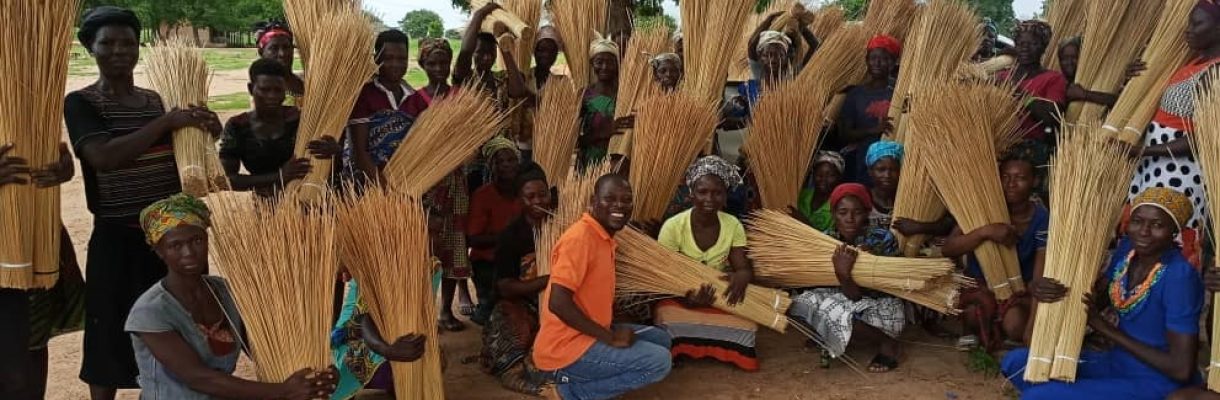
We believe that entrepreneurship is key to driving growth in most developed economies; hence, our support is extensively directed towards the youth population who sit at the heart of innovation. By instilling entrepreneurial values in the minds of young people, we intend to drive sustainable socio-economic impact in rural communities.

SME DEVELOPMENT

Small and Medium Enterprises (SMEs) are the backbone of many African economies, contributing significantly to employment, innovation, and economic growth. Despite their crucial role, SMEs in Africa face numerous challenges that hinder their development and sustainability. These challenges include limited access to finance, inadequate business skills, and insufficient knowledge of financial tools in the digital age.

According to Demirgüç-Kunt and Klapper (2012), many SMEs in Africa lack the necessary knowledge of finance and financial tools, which impedes their ability to thrive in an increasingly digital financial environment. Additionally, access to finance remains a significant barrier, with many SMEs unable to secure the funding needed to grow and expand their operations.

Our goal is to bridge these gaps by providing comprehensive support to SMEs across rural Ghana. This includes:

Financial Literacy and Education:

  • Offering training programs to enhance financial literacy among SME owners, enabling them to make informed financial decisions.
  • Educating SMEs on the use of digital financial tools and technologies to improve their business operations and access to markets.

Access to Finance:

  • Facilitating access to various financing options, including microloans, venture capital, and grants tailored to the needs of SMEs.
  • Collaborating with financial institutions to create SME-friendly financial products and services.

Capacity Building:

  • Providing mentorship and coaching to SME owners on business management, strategic planning, and marketing.
  • Organizing workshops and seminars to develop entrepreneurial skills and promote best practices in business management.

Innovation and Technology:

  • Encouraging the adoption of innovative technologies to enhance productivity and competitiveness.
  • Supporting SMEs in leveraging digital platforms to reach broader markets and streamline their operations.

            Networking and Collaboration:

  • Creating platforms for SMEs to network, share experiences, and collaborate on projects.
  • Partnering with industry stakeholders, government agencies, and international organizations to provide SMEs with resources and opportunities for growth.

By addressing these critical areas, we aim to empower SMEs to overcome their challenges, drive economic development, and contribute to a more inclusive and prosperous society. Our commitment to SME development is rooted in the belief that a thriving SME sector is essential for the overall economic resilience and growth of African nations.

Eos an sumo integre recteque

FINANCIAL INCLUSION

Wide disparities still exist in the area of financial inclusion on the African continent. Among developing economies, there appears to be a large gap in ownership of accounts (Global Findex 2018). Significant progress has been recorded in the area of financial inclusion. According to a World Bank Findex survey, financial inclusion in Sub-Saharan Africa has taken an unexpected turn; increasing from 23% in 2011 to 43% in 2017 (Global Findex 2017). It is also the only region where the number of adults with a mobile money account exceeds 10% (Forbes 2018). Harnessing the power of digital technology, the financial space has evolved and so must its actors. To date, many small and medium enterprises in Africa lack the knowledge of finance and financial tools in the digital age. More so, these enterprises still lack considerable access to finance (Demirgüç-Kunt and Klapper 2012).