
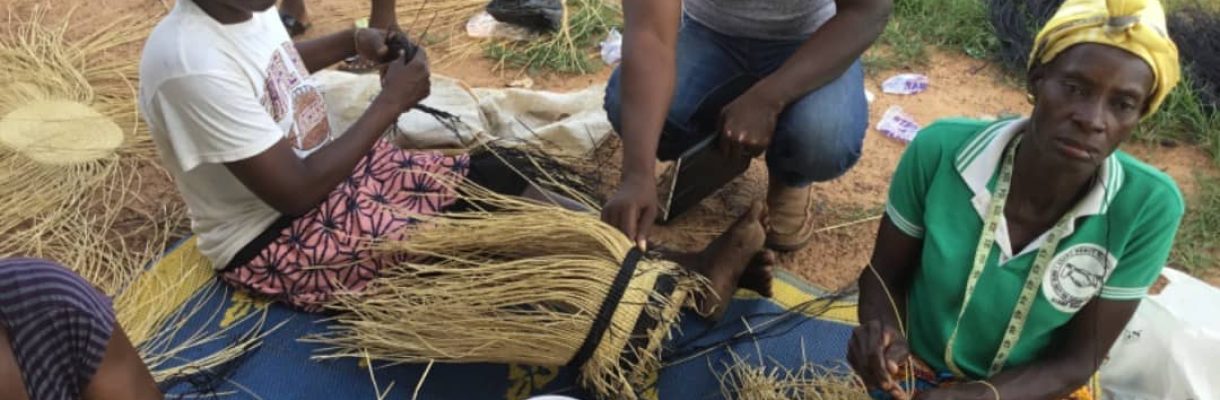
Conflict Management and Peacebuilding: Women are the agents of our community system. Recognizing the important role women play in ensuring peaceful coexistence and social harmony among community members, we provide training in conflict resolution and peacebuilding strategies. By fostering dialogue, understanding, and cooperation, we aim to empower women as agents of positive change in their communities.
Group dynamics: Understanding the complexities of group dynamics is essential for fostering effective teamwork and collaboration. Our programs focus on equipping women with the skills needed to navigate and manage group interactions successfully. By promoting effective communication, conflict resolution, and teamwork, we empower women to lead and participate in diverse group settings, enhancing productivity and cohesion
Inclusive Leadership: Our inclusive leadership programs aim to cultivate a new generation of female leaders who are empowered to advocate for gender equality and social justice. Through mentorship, leadership training, and networking opportunities, we empower women to take on leadership roles and make meaningful contributions to society.
Farmer-Based Organization (FBO) Management: FBOs are vital for agricultural development and community sustainability. Our FBO management training programs are designed to enhance the organizational capacities of these groups. We provide women with the knowledge and skills to effectively manage FBOs, including strategic planning, resource mobilization, and agricultural best practices. By empowering women in leadership roles within FBOs, we aim to improve agricultural productivity, promote sustainable farming practices, and strengthen community resilience.
